The Economic Value of Arts and Culture
Globally, cultural tourism represents one of the fastest-growing sectors of the travel industry. Studies by international tourism organizations estimate that roughly 40 percent of global tourism activity involves cultural experiences, including museums, heritage sites, festivals, music, and the performing arts.
In destinations where tourism dominates the economy, these cultural experiences become powerful economic multipliers. Visitors who engage with arts and heritage tend to:
·Stay longer
·Spend more on local experiences
·Support local businesses and artisans
·Travel during non-peak seasons
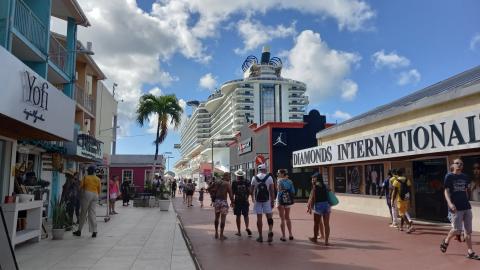
For Antigua and Barbuda, where tourism already accounts for more than half of GDP, expanding the arts and cultural sector can significantly increase visitor spending and diversify the tourism product.
Festivals, Music, and Cultural Identity
Arts-driven events have the ability to transform tourism by creating unique experiences that cannot be replicated elsewhere. Music festivals, cultural celebrations, art exhibitions, and film screenings bring communities together while attracting international audiences.
These events also provide opportunities for local artists, musicians, filmmakers, and performers to showcase their work to global visitors. The economic impact extends beyond ticket sales, benefiting hotels, restaurants, transportation providers, and local vendors.
Just as importantly, the arts help preserve cultural identity. Through storytelling, music, visual arts, and performance, communities pass their history and traditions to future generations while sharing them with the world.
Cultural Experiences That Define a Destination
Travelers often remember the cultural moments of a trip more vividly than the scenery. Walking through historic sites, listening to local music, attending a festival, or even observing everyday island life creates memories that define the experience of a destination.
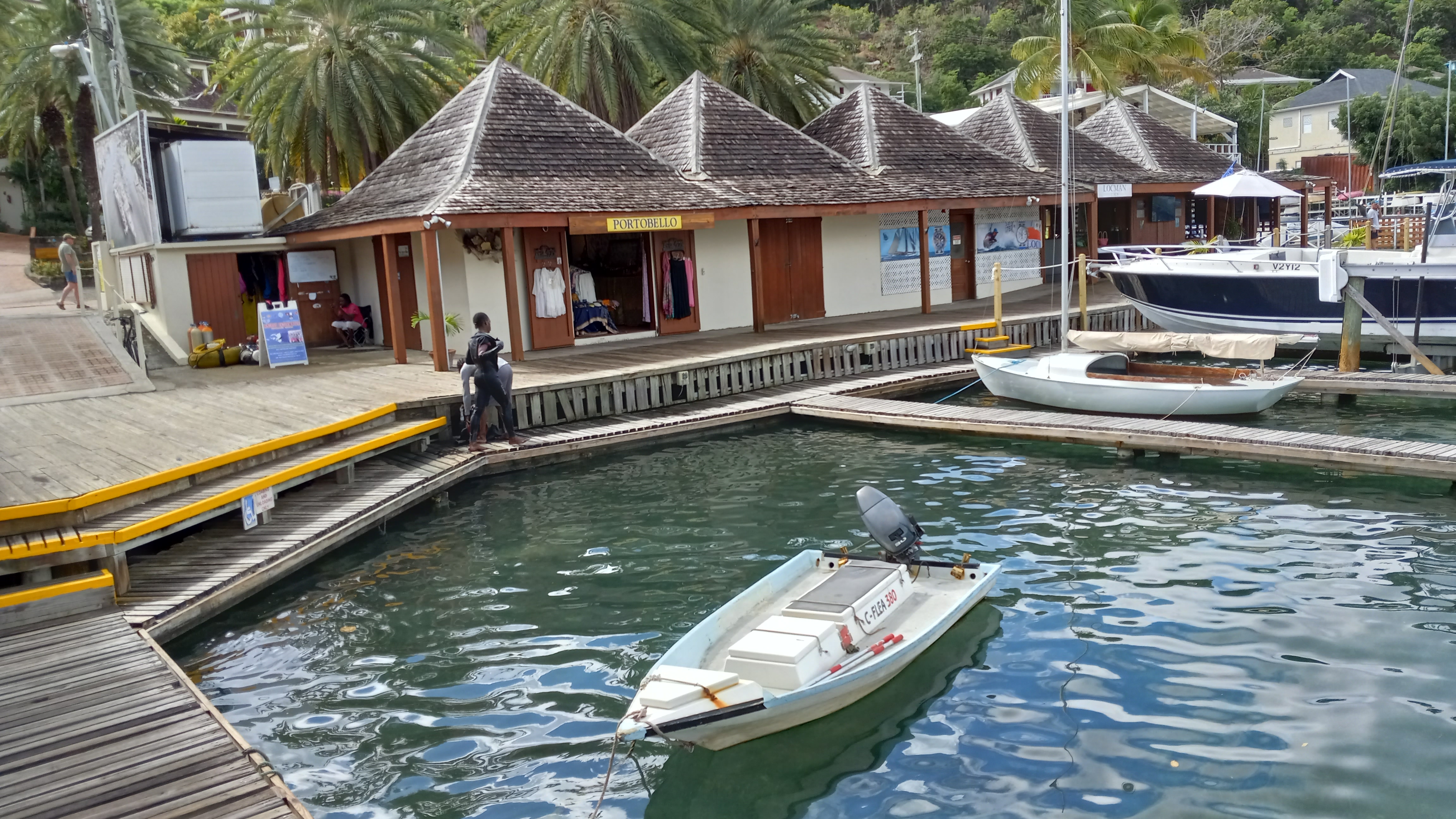
In Antigua and Barbuda, these experiences may include exploring historic harbors, attending maritime events, listening to Caribbean music, or encountering the unique rhythms of village life. Such moments give visitors a sense of connection to the island and its people.
This connection is what transforms a destination from a place people visit once into a place they return to again and again.