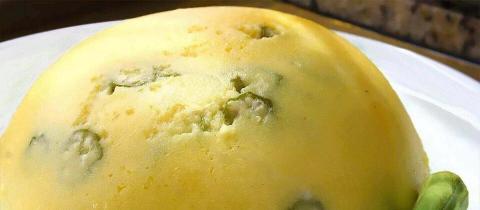
At first glance, fungee from Antigua and Barbuda, Italian polenta, and traditional Indigenous corn dishes from North America seem unrelated. Yet they share the same foundation: maize.
Corn originated in the Americas thousands of years ago. After the 15th century, it spread globally through trade and colonization. Because maize grows easily, stores well, and feeds many people, it quickly became a staple crop across Europe, Africa, and the Caribbean.
The preparation method is simple and universal:
ground corn + hot water + steady stirring = a nourishing starch base.
In Antigua, fungee is served with pepperpot stew. In Italy, polenta accompanies meats or vegetables. Among many Indigenous nations in North America, corn mush, hominy, or samp formed part of daily sustenance within agricultural systems such as the “Three Sisters” (corn, beans, squash).
West African food traditions also shaped Caribbean corn dishes. Enslaved Africans brought culinary knowledge of pounded starches like fufu and fermented corn preparations such as banku. In the Caribbean, these techniques merged with Indigenous maize traditions, producing dishes like fungee and cou-cou.
Similar corn-based staples appear worldwide:
·Italy & Balkans – Polenta, mămăligă
·West Africa – Banku, kenkey
·U.S. South – Grits
·Brazil – Angu
·Mexico & Central America – Masa-based dishes
These foods are not copies of one another. They are parallel solutions to the same agricultural reality: when corn becomes central to survival, cultures transform it into a versatile, communal staple.
Fungee, polenta, and Indigenous corn dishes tell a shared story of migration, adaptation, and resilience — proof that a single grain can connect continents.