
Tourism has long been the economic backbone of Antigua and Barbuda, contributing more than half of the country’s Gross Domestic Product and supporting a significant share of national employment. Visitors are often drawn first by the island’s famous beaches and warm climate, but the experiences that truly define a destination—and encourage travelers to stay longer or return—are rooted in culture, history, and the arts.
For Antigua and Barbuda, investing in the arts is not simply a cultural priority; it is an economic strategy that strengthens tourism and expands the country’s global identity.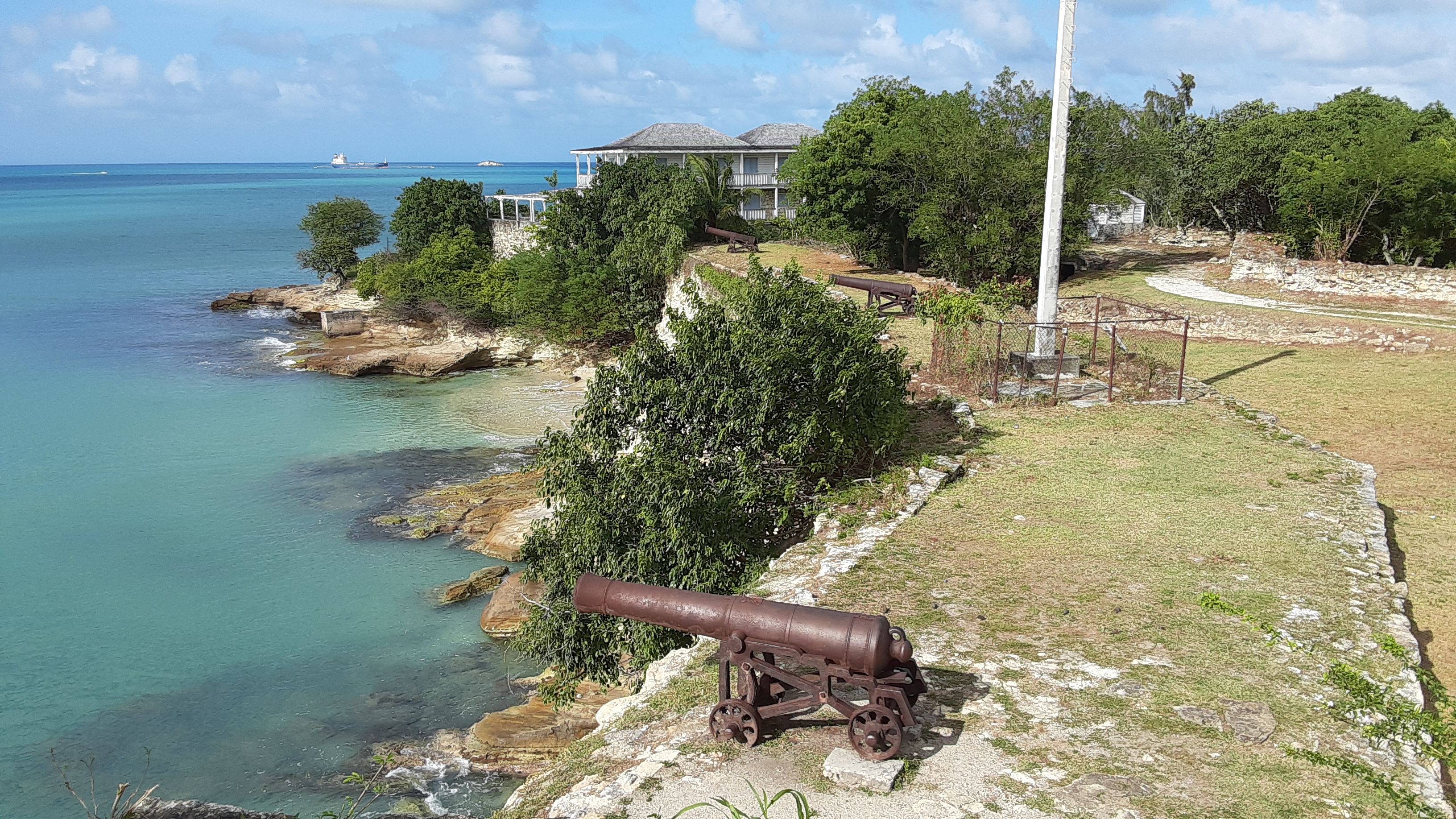
Tourism Beyond Beaches
The Caribbean has long marketed itself through images of sun, sand, and sea. While these elements remain important, modern travelers are increasingly seeking deeper experiences that connect them with the culture and heritage of a place.
In Antigua and Barbuda, one of the country’s most important attractions is Nelson's Dockyard, a UNESCO World Heritage Site that reflects the island’s colonial naval history and maritime culture. Visitors explore historic architecture, museums, and the surrounding harbor, gaining insight into the island’s past.
Events also play a major role in attracting international visitors.
The world-renowned Antigua Sailing Week brings sailors, spectators, and media from around the globe, transforming English Harbour into a vibrant cultural and sporting hub each year.
These experiences demonstrate that Antigua and Barbuda’s tourism appeal extends far beyond beaches. History, culture, and artistic expression form an essential part of the country’s tourism identity.